
Wild Shelter: Crafting Off-Grid Alpine Cabins from Earth and Stone
Join us as we explore designing off-grid alpine cabins with natural materials—stone, timber, lime, clay, cork, and wool—balancing rugged weather with quiet comfort. You will find practical strategies, heartfelt field stories, and proven details that make mountain shelters resilient, low-impact, and beautiful. Share your questions, subscribe for deep dives, and help shape future experiments from the ridgeline.

Reading the Mountain: Climate, Orientation, and Safety
High country design begins with patient observation. Track sun angles across winter and summer, study prevailing and katabatic winds, and map avalanche paths before a stake ever touches soil. On a brittle February morning, we watched spindrift sketch leeward eddies and learned exactly where not to build. Place your cabin where light lingers, drifts unload, and wildlife corridors remain undisturbed, then design for graceful retreat when storms try to test every choice you made.
A Material Language Born from the Slope
Let the mountain suggest your palette. Local stone anchors mass and memory, slow-grown larch shrugs off weather, and lime or clay plasters regulate humidity with quiet certainty. Weigh embodied carbon alongside performance and repairability; the greenest wall is one that dries predictably and can be fixed with a trowel and patience. Finishes should patina rather than peel, inviting touch in winter gloves and summer palms, and aging into the terrain like lichens on granite.

Timber from the Treeline
Select dense, resin-rich species like larch or spruce, felled in the right season and air-dried to reduce checking. Scribe-fit logs or frame with pegged joinery, allowing slight seasonal movement without tearing brittle finishes. Burned and brushed cladding resists fungi and reads beautifully against snow. Sourcing from community foresters supports stewardship, and offcuts become kindling, stools, or tool handles, ensuring nearly every fiber contributes to shelter, warmth, or the quiet pleasure of holding something well made.

Stone That Holds the Heat
Use locally quarried or field-found stone for plinths, retaining walls, and thermal mass hearths. A sun-warmed masonry bench can bleed gentle heat long after dusk, smoothing daily temperature swings. Capillary breaks, lime mortars, and vented cavities keep assemblies dry, while hand-split faces catch light like snowfields at dawn. During one build, a farmer’s abandoned terrace supplied every block we needed, carrying stories from past harvests straight into the bones of a new mountain dwelling.

Quiet Power: Autonomous Energy in Thin Air
Off-grid comfort relies on load discipline and systems that love the cold. Solar arrays must shrug snow, batteries need gentle heating, and wood heat should serve cooking, drying, and thermal storage. Add micro-hydro only where streams run reliably, and keep wind simple unless maintenance is assured. Design around direct-current appliances and LED task lighting, then celebrate evenings when silence deepens and the only hum is tea water rising toward a whistle, not a generator’s impatient growl.
Details that Defy Frost and Time
Longevity lives in joints, drips, and breaths. Flashings should throw meltwater far, eaves must protect walls, and every penetration deserves a gasketed seat at the table. Build tight, then ventilate; keep assemblies vapor-open to the cold side and courageous about drying. Sills slope, thresholds lift, and airlocks tame gusts before they reach wool blankets. The goal is simple: a cabin that shrugs off freeze-thaw, laughs at wind-lash, and greets maintenance with a calm, unhurried nod.
Making in Remote Silence
Logistics shape design as much as storms do. Prefabricate where possible, size modules for trailers or helicopter nets, and rehearse assembly until it feels like choreography, not combat. Keep a lean kit of tools that forgive cold hands and blunt batteries. Invite neighbors and wardens into early conversations; their maps and memories can spare months of rework. In every trip, pack out as much knowledge as material, then return lighter, kinder, and better tuned to the mountain.
Prefabrication that Respects Place
Panelize walls with natural materials without turning them into anonymous boxes. Label connections like poetry, so crews can read intent in a storm. Dry-fit windows, test gaskets, and pre-finish cladding to shorten exposure on site. One team lifted a complete service core from a valley barn, then slid it into a frame before clouds closed the pass, saving two days and a dozen arguments with wind that did not care about schedules or pride.
Building Season Choreography
Design the calendar around thaw, bloom, and first powder. Pour foundations as frost retreats, raise frames before monsoon lightning, and button exteriors ahead of the first ridge-to-ridge snow. Keep contingency plans for surprise weather windows and delays in mountain passes. A whiteboard in the cook tent, updated at dawn, once rescued our sequence; crews swapped tasks with a grin, and we captured a crystal day to set roof panels under a sky sharpened by altitude.
Tools, Safety, and Community Help
Choose tools that tolerate altitude and cold—corded backups, manual planers, and fixable hinges. Redundant first-aid, radios, and avalanche gear stand ready, even on sunny days. Invite local hands for a ridge-raising meal and skills swap; shared stew builds better joints than solitary speed. During one lift, a shepherd steadied our truss line with a quiet nod, then taught a knot that held through a gust that might have rewritten our entire winter.
Life Between Timber and Sky
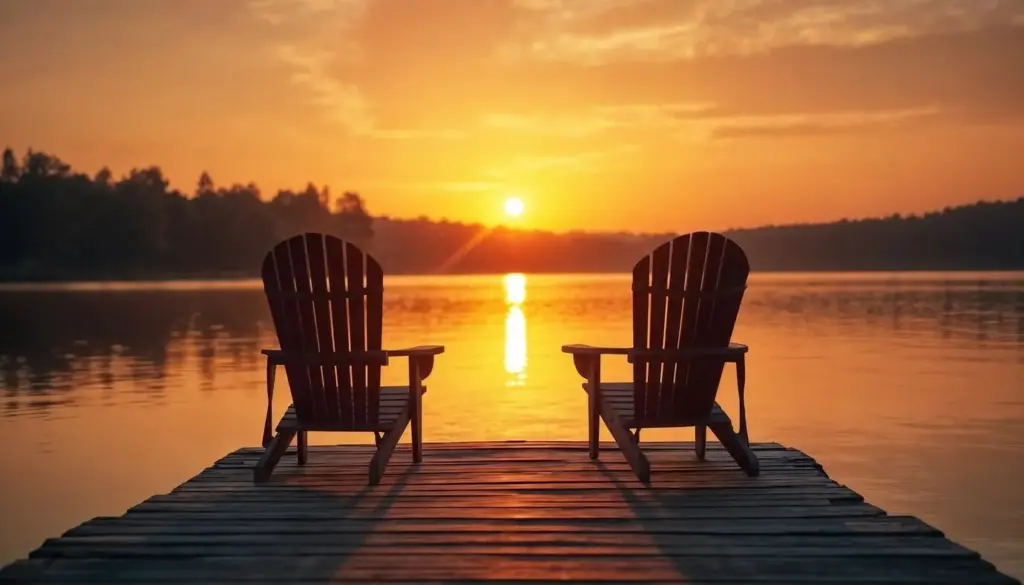
Beyond details and loads lies the simple rhythm of living well. Dawn paints the peaks while a kettle sings; evenings trade stories for kindling and starlight. Leave-no-trace habits become muscle memory, from boot-brushing to ash scattering. Maintenance feels like gratitude: oiling hinges before storms, sweeping chimneys before festivals of frost. Share reflections, ask for checklists, and tell us what you carry into silence, so our next chapter answers the questions the wind never quite explains.
All Rights Reserved.